



Description
Kepma A1C PRO / D1C PRO
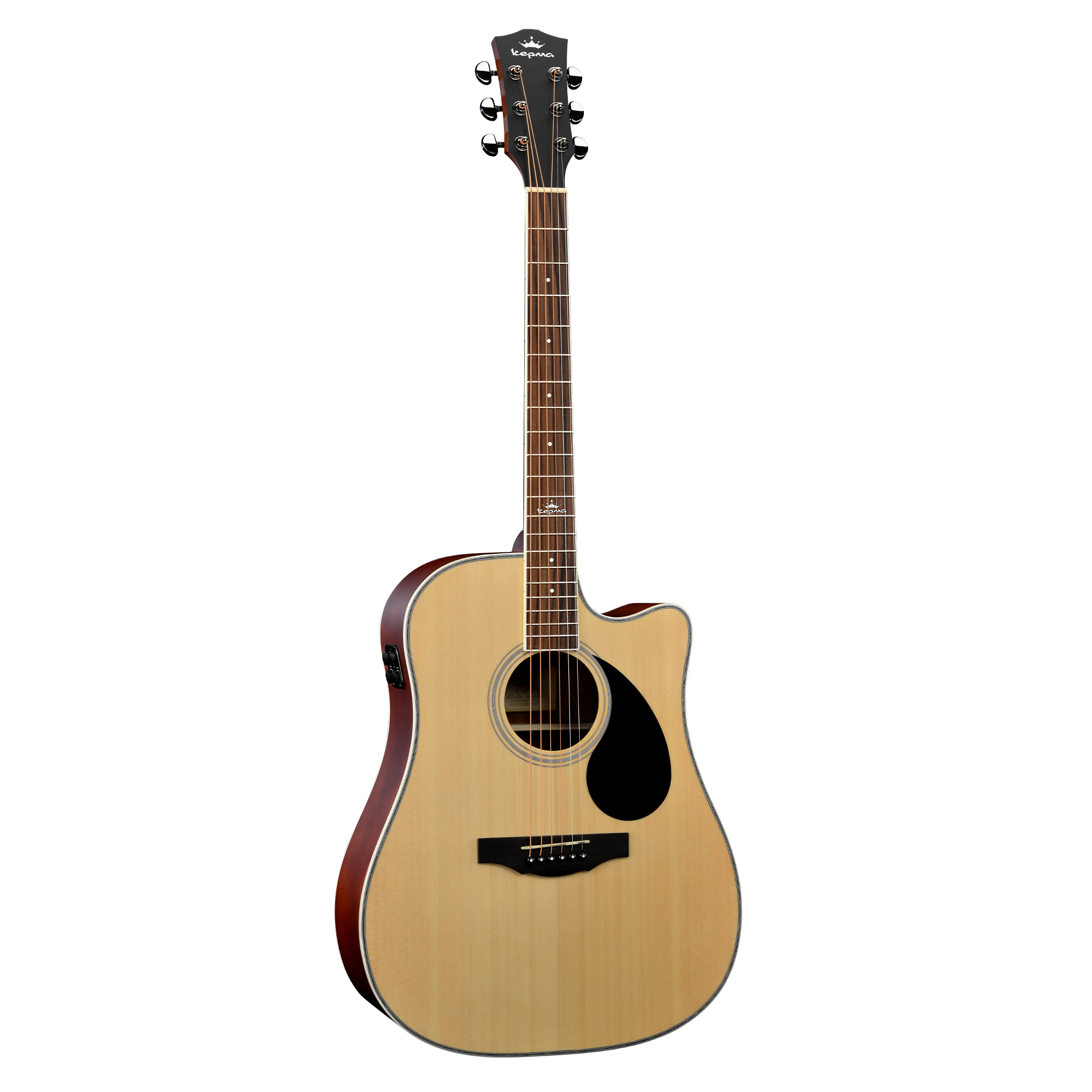
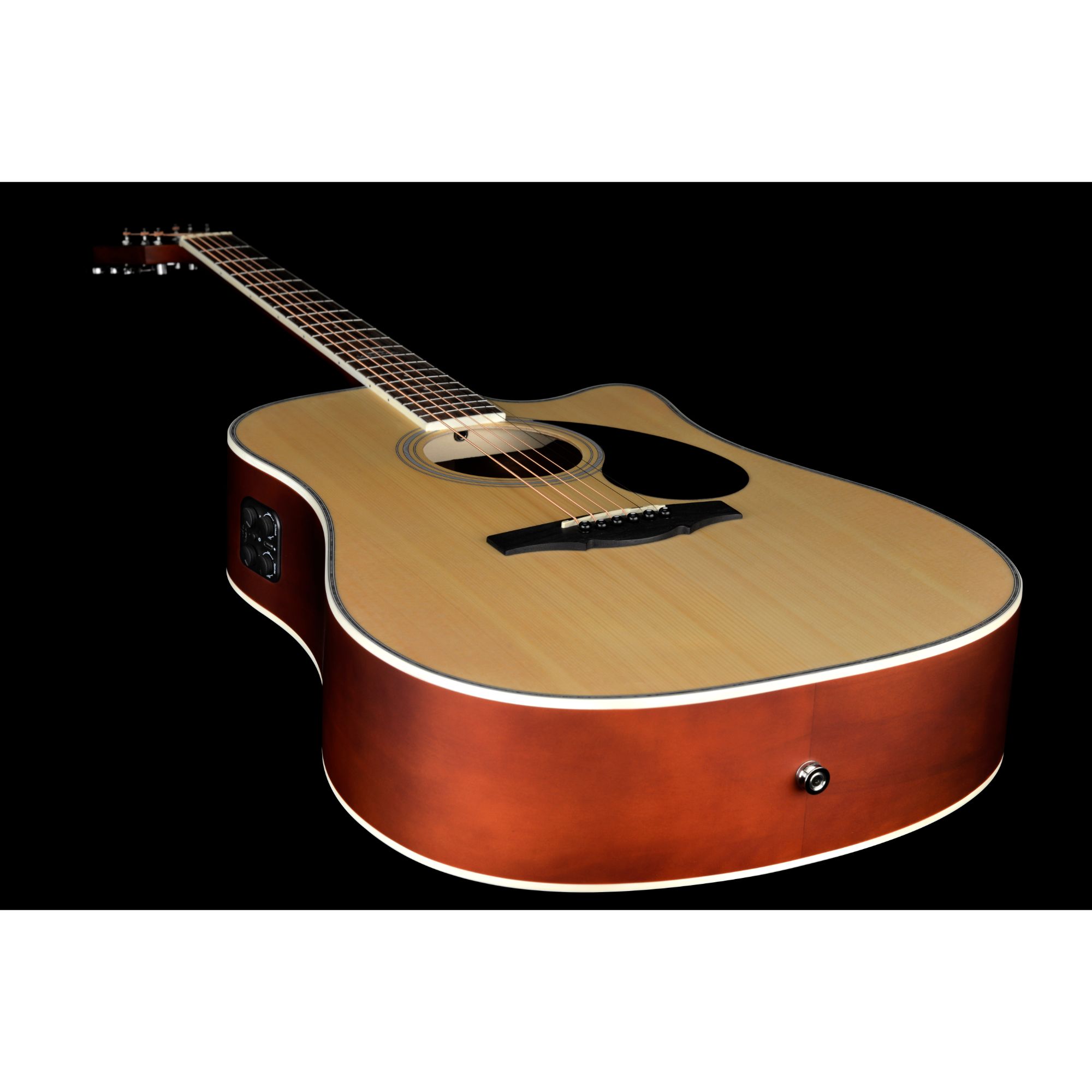
The upgraded Kepma A1C PRO and D1C PRO Series combine modern acoustic craftsmanship, versatile pickup configurations, and refined everyday playability for musicians seeking a premium entry into the Kepma ecosystem.
Acoustic • K1 • K10
Available in pure acoustic, K1 semi-acoustic, and advanced K10 transacoustic variants for players seeking different levels of performance versatility.
Auditorium & Dreadnought
The A1C PRO features an Auditorium body while the D1C PRO offers powerful dreadnought projection and fuller low-end response.
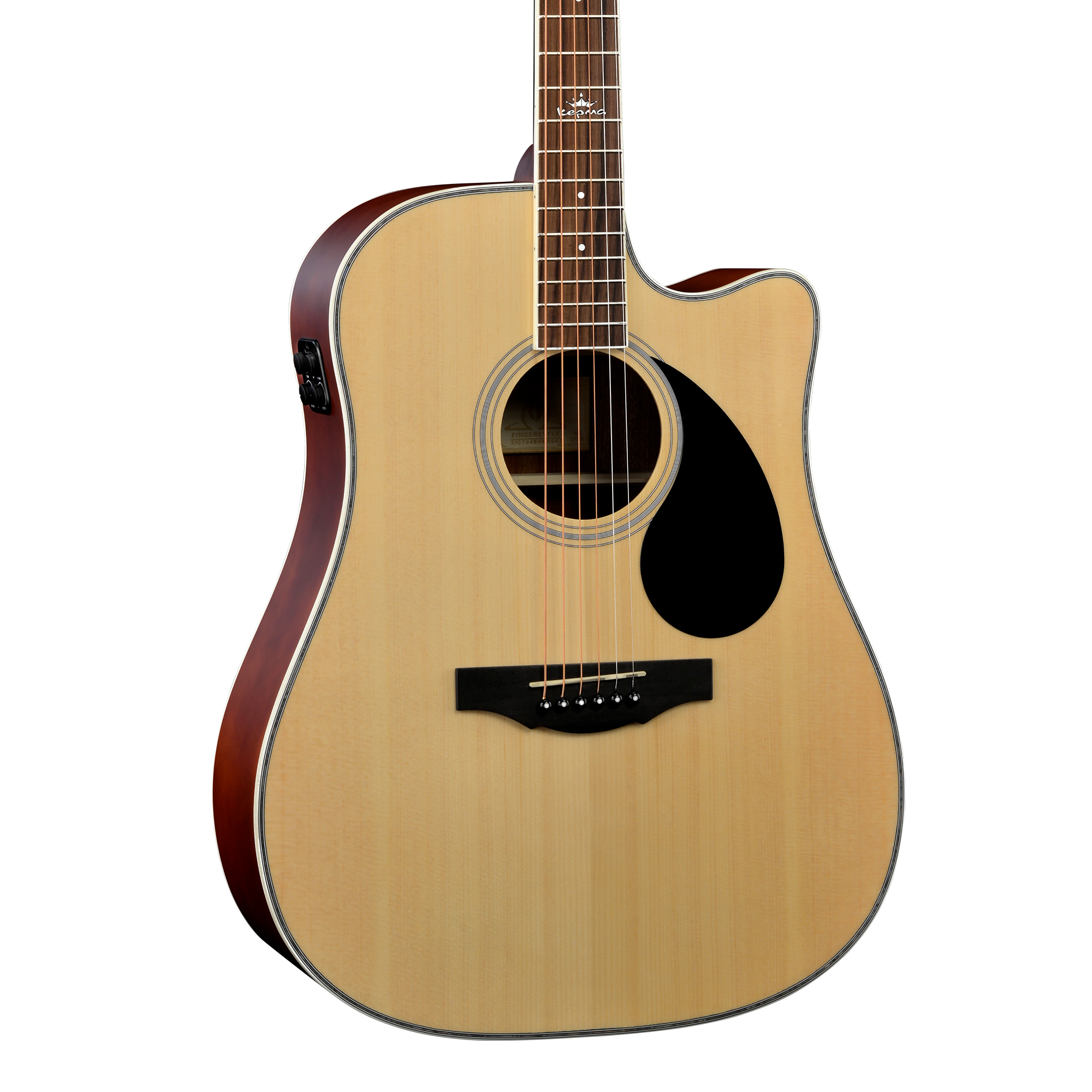
Spruce Plywood Top
Carefully selected spruce top construction delivers balanced projection, articulate highs, and versatile tonal response.
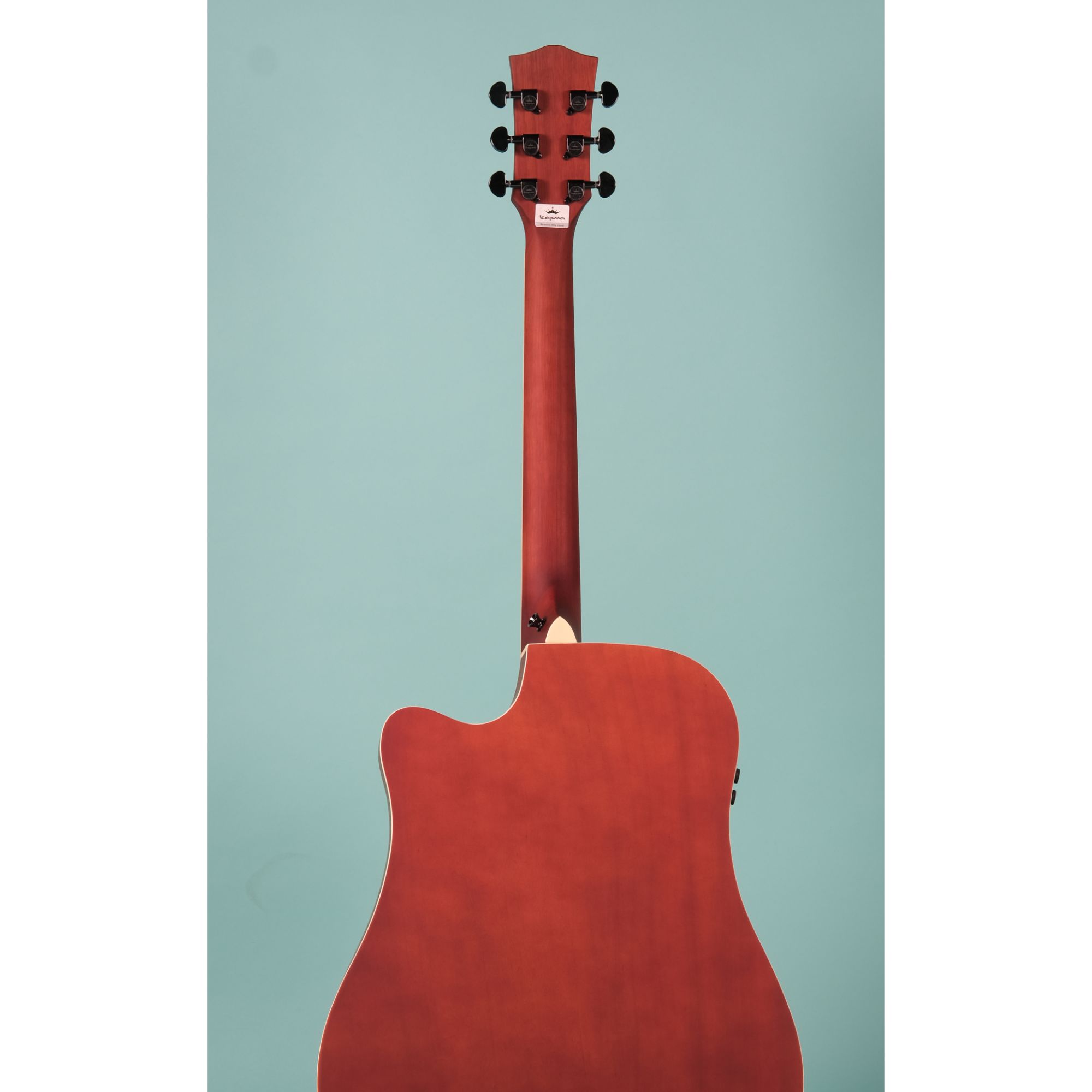
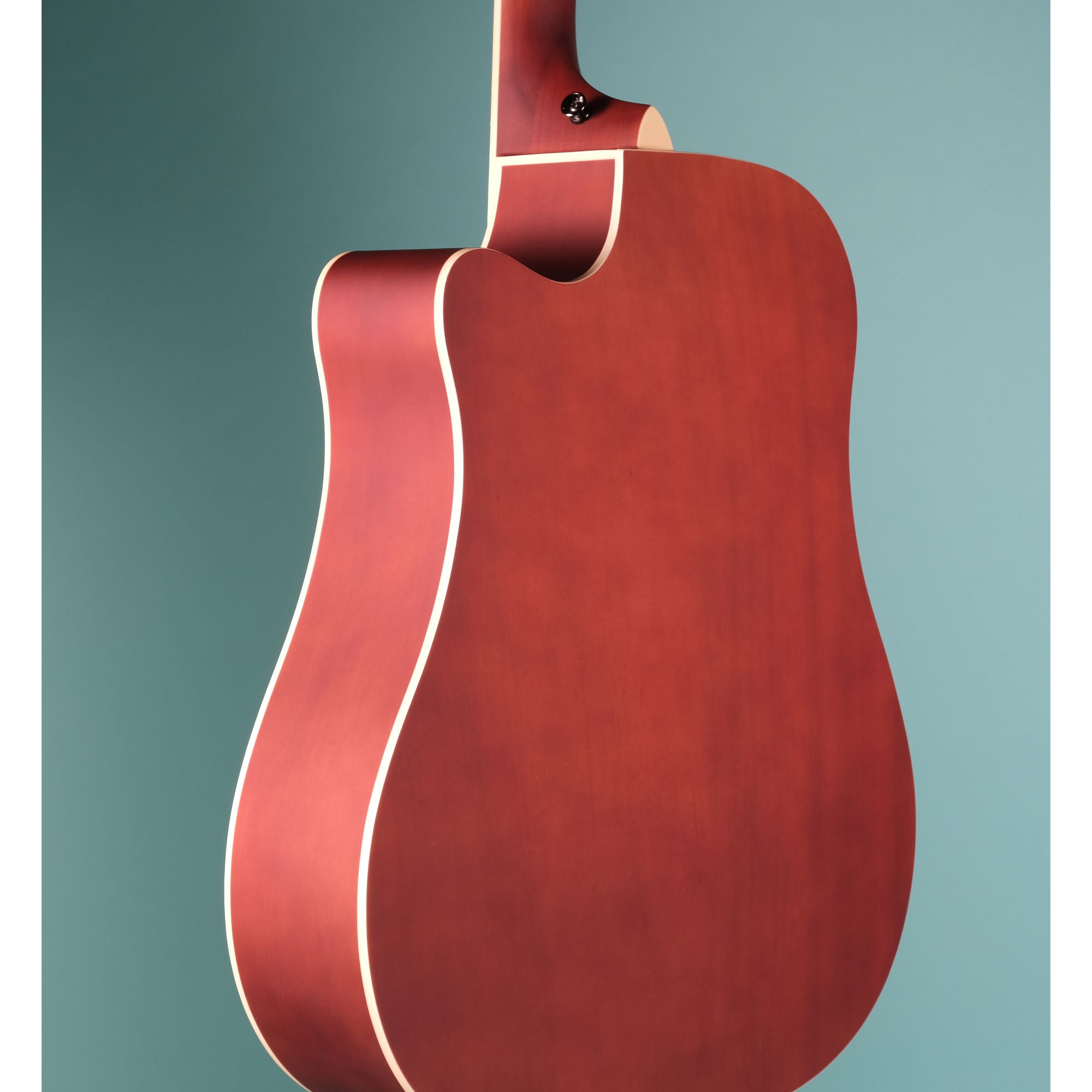
Sapele Construction
Sapele plywood back and sides add warmth, smooth resonance, and durability suitable for daily practice and live use.
Nato / Okoume Neck
Ergonomic neck construction provides comfortable hand feel and smooth movement across the fretboard.
Rosewood
Premium wood combinations provide smooth playability, natural tonal warmth, and refined aesthetics.
Black Drop-Shaped Pickguard
Elegant black pickguard design enhances the modern visual identity of the upgraded PRO Series.
Kepma Custom Light Gauge
Factory-fitted custom light gauge 011–052 red copper strings offer balanced tension and comfortable playability.
Black Nickel Tuners
Fully enclosed black nickel plated tuners provide stable tuning performance and modern premium styling.
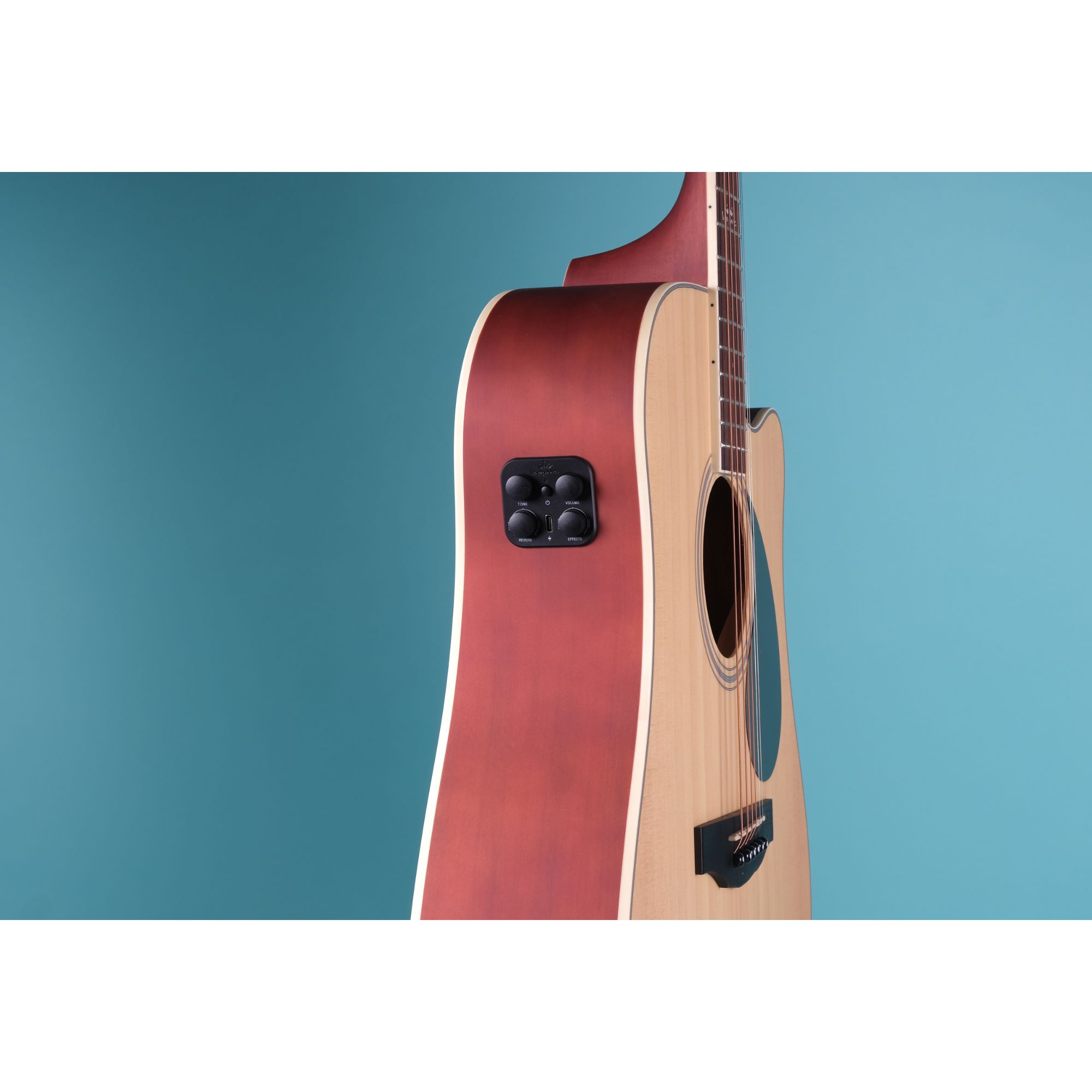
Semi-Acoustic System
The K1 pickup variant offers reliable amplified acoustic performance suitable for live gigs and practice sessions.
TransAcoustic Experience
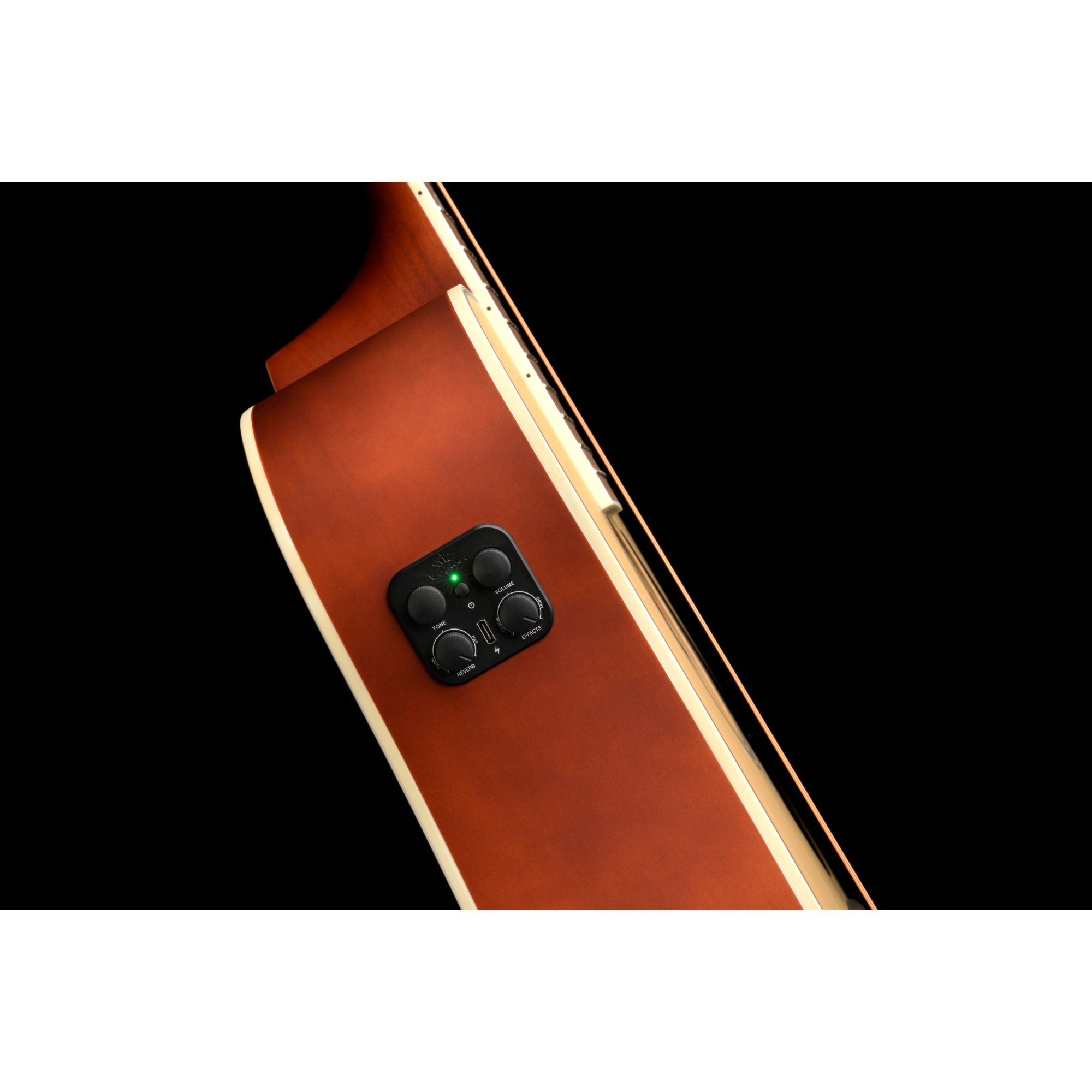
The K10 Smart Vibration-Enhanced Pickup system delivers immersive transacoustic functionality with enhanced resonance effects.
Premium Matte Finish
Smooth matte finishing enhances comfort while maintaining a clean and sophisticated modern acoustic aesthetic.
Electric Acoustic Model — A1CE PRO / D1CE PRO
TransAcoustic Model — A1CE K10 PRO / D1CE K10 PRO
K10 Smart Vibration-Enhanced Pickup (TransAcoustic Variant)
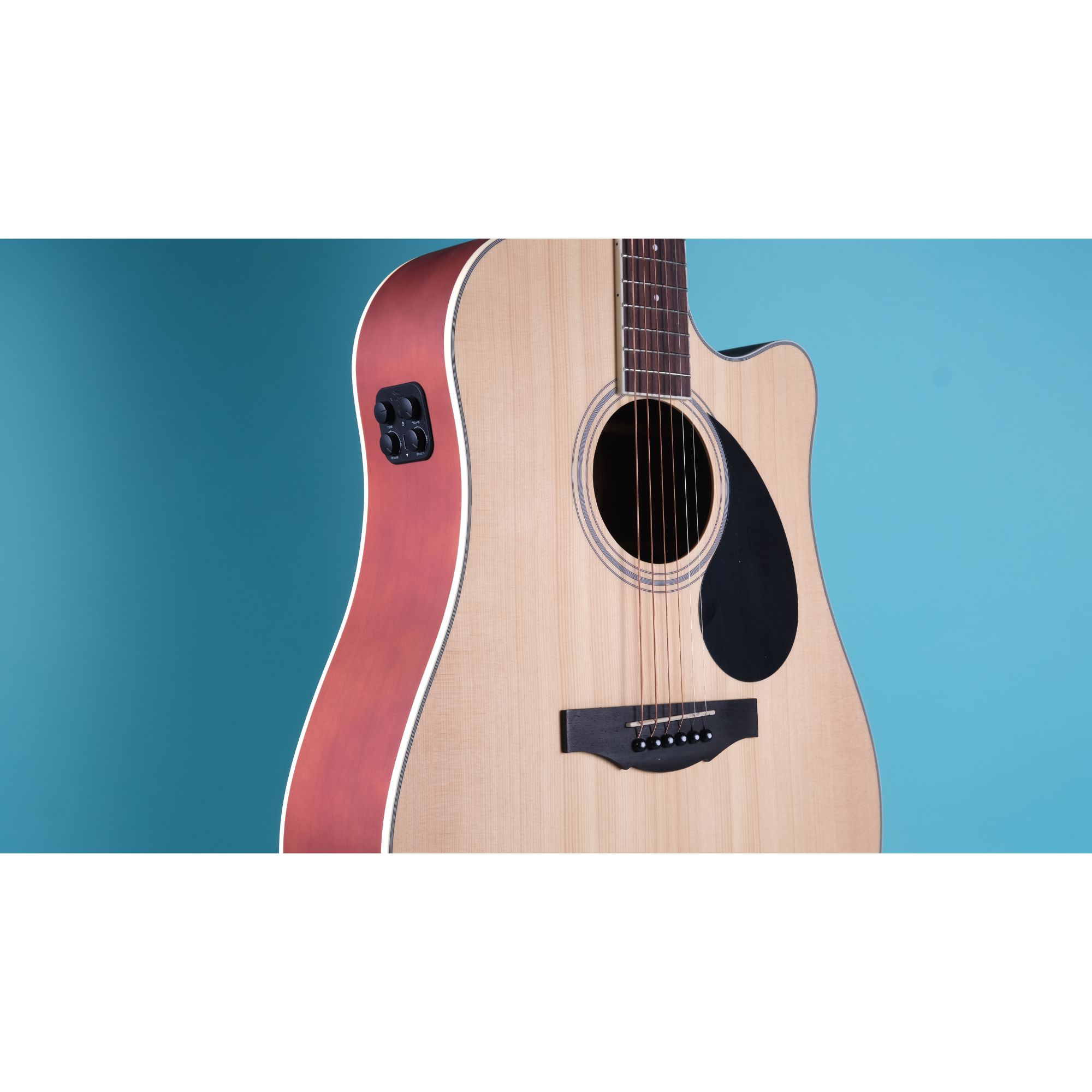
Experience Kepma Up Close
Premium craftsmanship, elegant appointments, and refined finishing designed for modern acoustic musicians.


Frequently Asked Questions
Everything musicians in India commonly ask about the Kepma A1C PRO, D1C PRO, A1CE PRO, D1CE PRO, and K10 TransAcoustic Series.
What is the difference between the Kepma A1C PRO and D1C PRO?
What is the difference between the acoustic, K1, and K10 variants?
What is the K10 Smart Vibration-Enhanced Pickup system?
Are the Kepma A1CE PRO and D1CE PRO suitable for live performances?
Which body shape is better for fingerstyle playing?
What woods are used in the Kepma A1C PRO and D1C PRO Series?
Are the Kepma PRO Series guitars beginner friendly?
What type of strings come installed on the guitar?
Is the K10 variant worth buying over the standard semi-acoustic model?
What genres work well with the Kepma PRO Series?
Does the matte finish affect the tone of the guitar?
Which model is better for powerful strumming and vocals?
Can the Kepma K10 models be used for recording?
Do the Kepma A1C PRO and D1C PRO come in multiple colours?
Why are Kepma guitars becoming popular in India?
Accessories
Add additional accessories with your order


String sets
Add a string set to your guitar , multiple Options available


Reviews
Login
Don't have an account?
Sign UpRelated Products


PRODUCT INFORMATION
A transacoustic guitar is a special type of semi-acoustic guitar that comes with built-in effects, like reverb, delay and chorus, which can be heard without the need to connect the guitar to an amplifier or effects unit. This unique feature enhances the sound, making it richer and more atmospheric while maintaining the natural feel of an acoustic guitar.
A transacoustic guitar works by using an internal device called an actuator/transducer. This actuator vibrates in response to the strings being played and creates effects like reverb, delay and chorus. These vibrations travel through the guitar’s body, using its natural acoustic chamber to produce the effects, so you can hear them directly from the guitar, even without plugging into any external equipment.
Yes, transacoustic guitars require batteries, typically lithium-ion, to power the internal electronics responsible for producing effects like reverb and chorus. Without the battery, the guitar will still function like a regular acoustic guitar, providing natural sound, but you won’t be able to use any of the onboard effects or connect it via a line-out for amplification. The battery is essential for activating the unique features that make the transacoustic guitar special.
Absolutely! Transacoustic guitars can be played like any regular acoustic guitar. When the effects are turned off, it functions just like a standard acoustic guitar, with the same feel and sound, making it versatile for all types of players.
The battery life of a transacoustic guitar depends on how often effects like reverb and chorus are used. Typically, it takes 3 to 4 hours to fully charge the battery, providing about 6 to 8 hours of playtime. However, the exact duration varies with the intensity of the effects and gain settings. Heavier use of effects will drain the battery faster, so it's advisable to recharge or replace it after extended sessions to ensure the effects function properly.
Yes, the effects on a transacoustic guitar can be used whether the guitar is played acoustically or plugged into an amplifier. This flexibility allows players to enjoy the effects in any setting, whether practicing at home or performing on stage.