





PRODUCT INFORMATION
TROUBLESHOOTING
Testimonials
So I bought Kepma EDC-E Trans K10 All Mahogany Guitar. Packaging: So I reside in Delhi and this Guitar came from Mumbai. I was a little skeptical about buying the Guitar online. But Pradeep(From Procraft team) assured me about the packaging. The packaging was perfect. I was flabbergasted with su...
Eshant R Kumar
I have liked the customer care and thanks to govind ji who helped me to order my em x1 pro trans acoustic guitar and thank you
Ayush
Thank you so much Procraft! “Govind Sharma assisted me with patience and answered all my questions quickly. Grateful for his support!”
Ujjwal Mishra
I had a great experience communicating with Govind Sharma regarding my guitar order. He was not only polite but also very responsive, ensuring that all my questions were answered in a timely manner. I truly appreciate his support and excellent customer service.
Dhrubajyoti Basumatary
It was a smooth ordering my guitar Sqoe Seib500. Thank you to Shivam Sharma who helped me with fast delivery.
Ben Rabha
so i bought kepma f0e ga and enya x1 pro both guitars from procraft and the quality of setup i got was really fantastic. When it comes to going to a local store and buying guitar the experience is different but i love how procraft has managed to actually bring products that are 1000 times better ...
Shounak Hirde
The Guitar was super cool and premium every thing was fine it sounds good and bright seriously is flagship guitar in a entry level budget
Priyanshu Mishra
Many guitar reviews focus on buying a new one, but what about warranty replacements? I recently needed a replacement guitar due to an unforeseen issue. I was impressed with Procraft's customer service, especially Pradeep's friendly and helpful communication. As long as the guitar is under warr...
Harish B
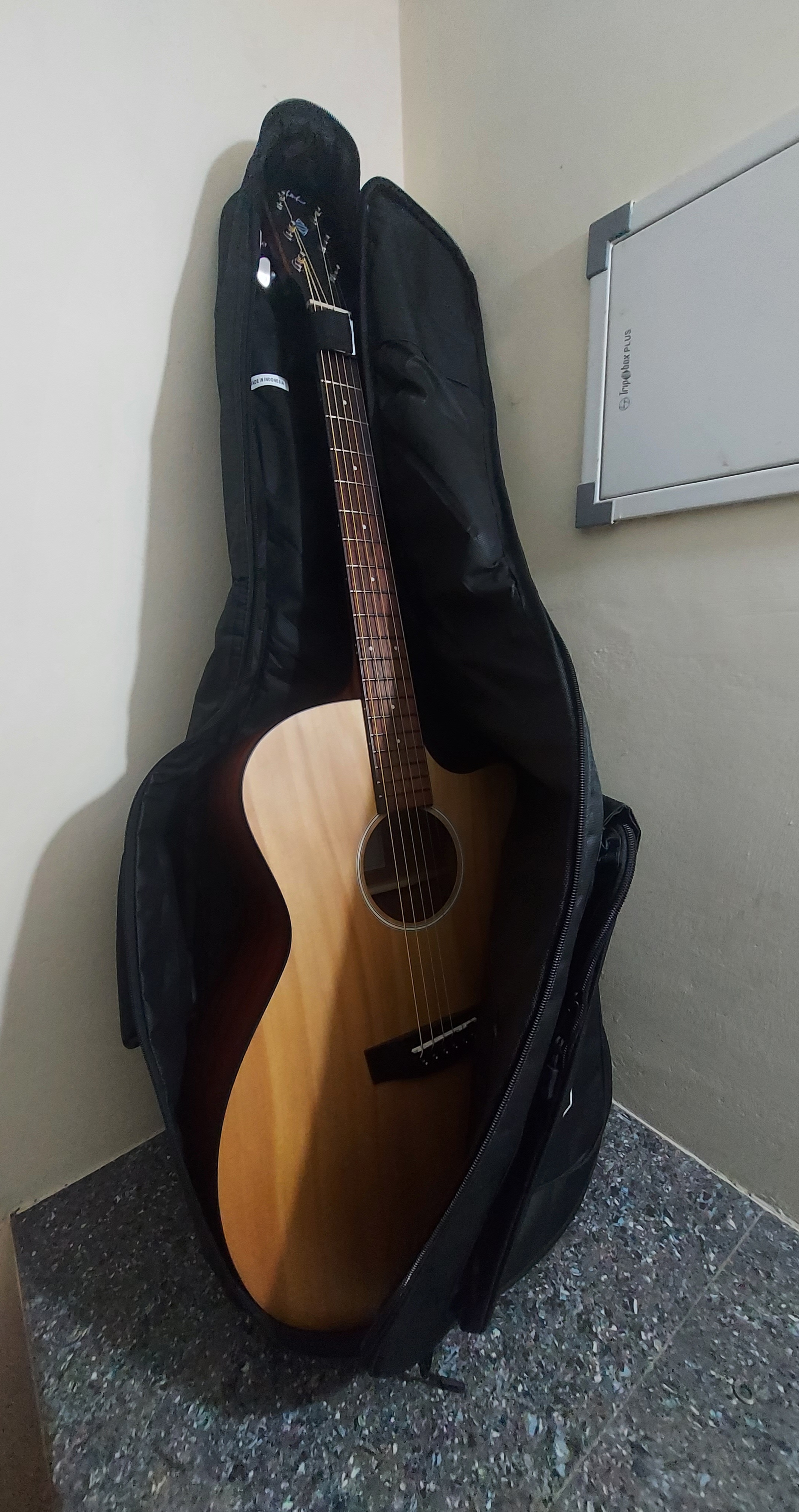
Guys, this is my honest review and believe me, they are the best in terms of quality products and customer support. I am very much Thankful to the entire procraft team, especially my point of contact Mr Ray, for his valuable guidance and support from the very first moment. I was really confused ...
UNNIKRISHNAN K
After a lot of research, finally zeroed down on entails carbon fibre ukulele. I visited the store once just to get a feel of the instrument since I have never played anything other than wood. Mr Pradeep from Procraft was very forthcoming, polite and helped me in choosing the right Uke. I got my c...
Amit Singh